10 Top-Rated Travel Destinations in the United States for Seniors
Outline:
1) Coastal Classics: Charleston (South Carolina); Savannah (Georgia)
2) Mountain Breezes: Asheville (North Carolina); Gatlinburg (Tennessee)
3) Desert Serenity: Sedona (Arizona); Palm Springs (California)
4) Cultural Treasures: Santa Fe (New Mexico); San Antonio (Texas)
5) Ocean & Isles: Amelia Island (Florida); St. Augustine (Florida)
Introduction
Travel in the later decades of life can feel both liberating and practical: familiar comforts matter more, but so does the thrill of seeing something new. The following guide gathers ten places across the United States that offer gentle pacing, strong cultural texture, and reliable services such as accessible parks, guided tours, and centrally located lodging. Each section pairs two destinations with similar strengths, compares seasons and terrain, and notes highlights that reduce planning friction. Whether your priority is a shady square, a quiet museum, or a shorebird skimming the tide line, the ideas below aim to balance curiosity with ease.
Coastal Classics: Charleston, South Carolina, and Savannah, Georgia
The Lowcountry unfurls like a soft ribbon here—flat streets, moss-draped oaks, and water never far from view. Charleston and Savannah make an appealing duo for travelers who prefer history served at a gentle pace. Both cities are celebrated for Walkable Areas, with compact historic districts, benches beneath live oaks, and frequent crosswalks. While cobblestone lanes add charm, most primary routes are level and paved, and many house museums maintain timed entry to limit crowds. Spring and fall deliver comfortable temperatures, while winters are typically cool and uncrowded, perfect for leisurely mornings and early dinners.
What distinguishes the pair is rhythm. Charleston’s waterfront promenades and preserved townhouses unfold block by block, inviting short strolls punctuated by café stops. Savannah’s grid of shaded squares creates a natural “pause” every few minutes, ideal for those who like frequent rests or people-watching. For structured days, consider a pattern: start with a guided overview tour, then return to one or two areas that caught your eye for deeper exploration. Midday can be museum time, when indoor seating and climate control help conserve energy for sunset by the water.
Practical notes and ideas:
– Terrain: Largely flat; a few uneven surfaces near older lanes—use supportive footwear.
– Timing: Aim for midweek to reduce foot traffic; mornings are quieter at popular sites.
– Activities: Waterfront walks, garden visits, and small-group historical talks.
– Dining: Many restaurants accept early reservations; quieter rooms improve conversation.
– Transit: Short ride-hail trips bridge gaps between districts without long walks.
Together, these twin cities reward unhurried pacing, gentle exertion, and the simple pleasure of seeing history framed by tides and trees.
Mountain Breezes: Asheville, North Carolina, and Gatlinburg, Tennessee
For travelers who enjoy rolling hills and forest color, these mountain gateways provide fresh air without requiring strenuous hikes. Asheville sits at roughly two thousand feet, which moderates summer highs and supports long, leafy seasons. Gatlinburg anchors the edge of a famed national park whose valleys, scenic drives, and visitor centers make the mountains feel approachable. Shoulder seasons are especially appealing for those seeking Mild Weather, with spring wildflowers and late-September through October foliage offering comfortable daytime temperatures and crisp evenings.
Accessibility continues to improve in both areas. Scenic parkways feature frequent overlooks, many with level pullouts and protective railings. Visitor centers typically provide seating, exhibits with larger text, and knowledgeable rangers who can suggest accessible trails and picnic spots. In town, compact arts districts and craft markets mean you can see a lot with short walks and planned breaks. If you prefer to minimize steps, consider alternating a morning drive with an afternoon gallery or café near lodging.
Practical notes and ideas:
– Driving: Plan loops of 30–60 miles with 2–3 overlooks; pack water and a light sweater even in summer.
– Mobility: Seek paths labeled “paved” or “fully accessible”; use trekking poles for stability on gentle grades.
– Health considerations: Altitude is modest but can still affect hydration—sip steadily and rest in shade.
– Culture: Studio tours, bluegrass evenings, and regional craft centers offer seated experiences.
– Food and rest: Picnic at a riverside turnout, then schedule an early dinner in town to avoid crowds.
A mountain day here feels like breathing in stereo: one ear tuned to wind in the trees, the other to friendly chatter over a slice of pie, all set to the rhythm of unhurried travel.
Desert Serenity: Sedona, Arizona, and Palm Springs, California
The desert rewards careful timing and wide horizons. Sedona’s red sandstone spires glow at sunrise and dusk, while palm oases in the Coachella Valley gather shade and birdsong around rippling springs. The key is to plan around heat—early mornings and late afternoons are ideal much of the year, with winter delivering cool, bright days. Both destinations offer numerous roadside viewpoints and short, level paths to platforms designed for an unobstructed Scenic View. Many parks publish trail grades and surface types, making it easier to match routes to comfort levels.
These towns also excel at structured relaxation. Consider a cadence that layers outdoor vignettes with indoor interludes: a sunrise viewpoint, mid-morning art gallery, siesta, then a sunset drive. Desert light changes by the hour, so even the same overlook feels new between morning blush and evening amber. For those who prefer seated exploration, nature preserves often feature loop roads with frequent stops, and gardens display native plants with plentiful benches and shaded pergolas. Hydration, sun protection, and planning around midday heat remain essential, but the payoff can be striking color without strenuous climbs.
Practical notes and ideas:
– Climate strategy: Visit October–April for comfortable temperatures; build in midday rest.
– Mobility: Choose overlooks with paved approaches; bring a lightweight folding stool for flexible seating.
– Activities: Gallery walks, star-gazing programs, and gentle nature talks at visitor centers.
– Safety: Wide-brim hats, electrolyte drinks, and layered clothing help manage quick temperature shifts.
– Photography: Early and late light enhances rock texture and reveals subtle desert greens.
Here, the land speaks in long vowels—red rock, blue sky, quiet shade—and the day stretches just enough to hold memory without hurry.
Cultural Treasures: Santa Fe, New Mexico, and San Antonio, Texas
If art, foodways, and layered history are your compass, this pairing offers depth with an easy-going pace. Santa Fe’s low-slung adobe architecture concentrates galleries, museums, and courtyards close together, making it simple to plan a day that alternates exhibits and shaded breaks. San Antonio centers its historic core along a tranquil river corridor lined with gardens, stone bridges, and accessible ramps between street and water level. Both places feature compact cultural districts that qualify as Walkable Areas, where frequent seating, clear signage, and level promenades encourage exploration without fatigue.
Seasonality shapes comfort. High desert sunshine means cool mornings in spring and fall for Santa Fe, while winter often stays bright and dry. In San Antonio, late fall through early spring typically brings pleasant afternoons, with flowers and fountains adding gentle background music to a stroll. Culinary scenes in each city lean toward hearty yet balanced meals—perfect for midday refueling—while many venues maintain quieter corners ideal for conversation. If you enjoy structured learning, look for museum talks or short guided walks that prioritize storytelling over distance.
Practical notes and ideas:
– Itinerary design: Pair two museums with one garden or mission site; reserve a calm café for the afternoon.
– Terrain: Mostly level; choose streets with curb cuts and smooth pavers to avoid strain.
– Seating strategy: Identify plazas with shaded benches to anchor rest stops every 20–30 minutes.
– Cultural highlights: Native arts markets, regional music performances, and heritage centers with accessible exhibits.
– Evening plan: Early dinner followed by a brief riverside or plaza stroll to cap the day.
Two cities, two moods—earth-toned serenity and riverside charm—both inviting you to learn, linger, and savor without rushing.
Ocean & Isles: Amelia Island and St. Augustine, Florida
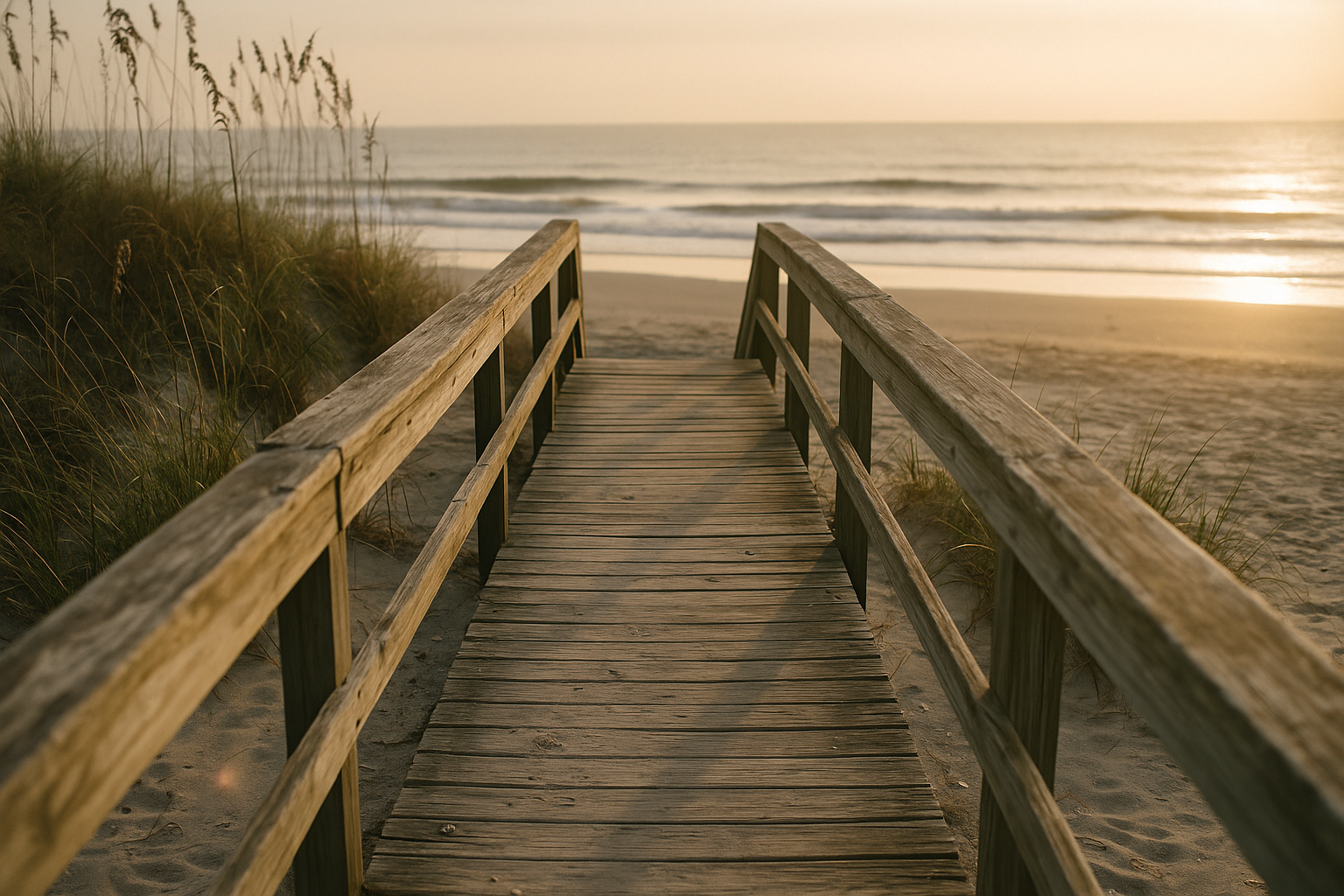
The Atlantic coast in northeast Florida offers soft, level beaches and centuries-old streets, a combination that makes days feel both restorative and engaging. Amelia Island is known for quiet dunes, wide shorelines, and boardwalk access points that reduce stair climbing. Nearby, St. Augustine’s historic quarters cluster around stone streets and plazas where museums, cafés, and small parks sit within short distances of each other. Winter and shoulder seasons often deliver Mild Weather—cool mornings, gentle afternoons, and low humidity—ideal for seaside walks, lighthouse views from ground-level overlooks, and calm harbor cruises.
Accessibility blends naturally with coastal routine. Many beach parks provide mat-style pathways over sand to ease the approach to the waterline. In town, guided tours with limited walking focus on storytelling from shaded spots, while small-group boat tours keep you seated as dolphins arc in the distance. If you enjoy cycling on flat terrain, rental shops often stock step-through frames and upright handlebars for easier balance; otherwise, consider a promenade walk where you can pause often for photos and breezes.
Practical notes and ideas:
– Beach strategy: Aim for mid-tide and morning light; carry a light folding chair and wide-brim hat.
– Historic core: Choose routes with smooth pavers; schedule museum visits during midday sun.
– Nature time: Estuary lookouts offer birdwatching with nearby parking and short paths.
– Food and rest: Fresh seafood at lunch, early dessert in a shaded square, and a quiet evening along the harbor.
– Health notes: Sunscreen and hydration remain essential even on cool, breezy days.
With a day tuned to unhurried tides, the coast becomes a metronome for energy: step, breathe, sit, repeat—each movement aligned with comfort and curiosity.
Conclusion: Planning That Prioritizes Ease, Curiosity, and Confidence
The destinations above balance culture, nature, and convenience in ways that suit travelers who prefer clarity over rush. Choose seasons that favor comfort, match daily ambitions to energy levels, and lean on transportation that trims needless steps. Center your plans on short loops, frequent seating, and viewpoints designed for an unobstructed Scenic View, and you’ll create itineraries that feel both capable and calm. With a little forethought, travel becomes less about miles and more about moments you’ll enjoy sharing long after you return.