How Can Welding Tools Boost Your DIY Projects?
Outline
– Essential toolkit: machines, PPE, clamps, abrasives, measuring, and power
– Processes compared: MIG, TIG, Stick, and flux-cored for real-world tasks
– Safety and setup: ventilation, electrical needs, fire prevention, and ergonomics
– Projects and skills: scaled builds, finishing methods, and planning
– Maintenance and upgrades: consumables, storage, calibration, and next steps
The Essential Welding Toolkit for DIY Momentum
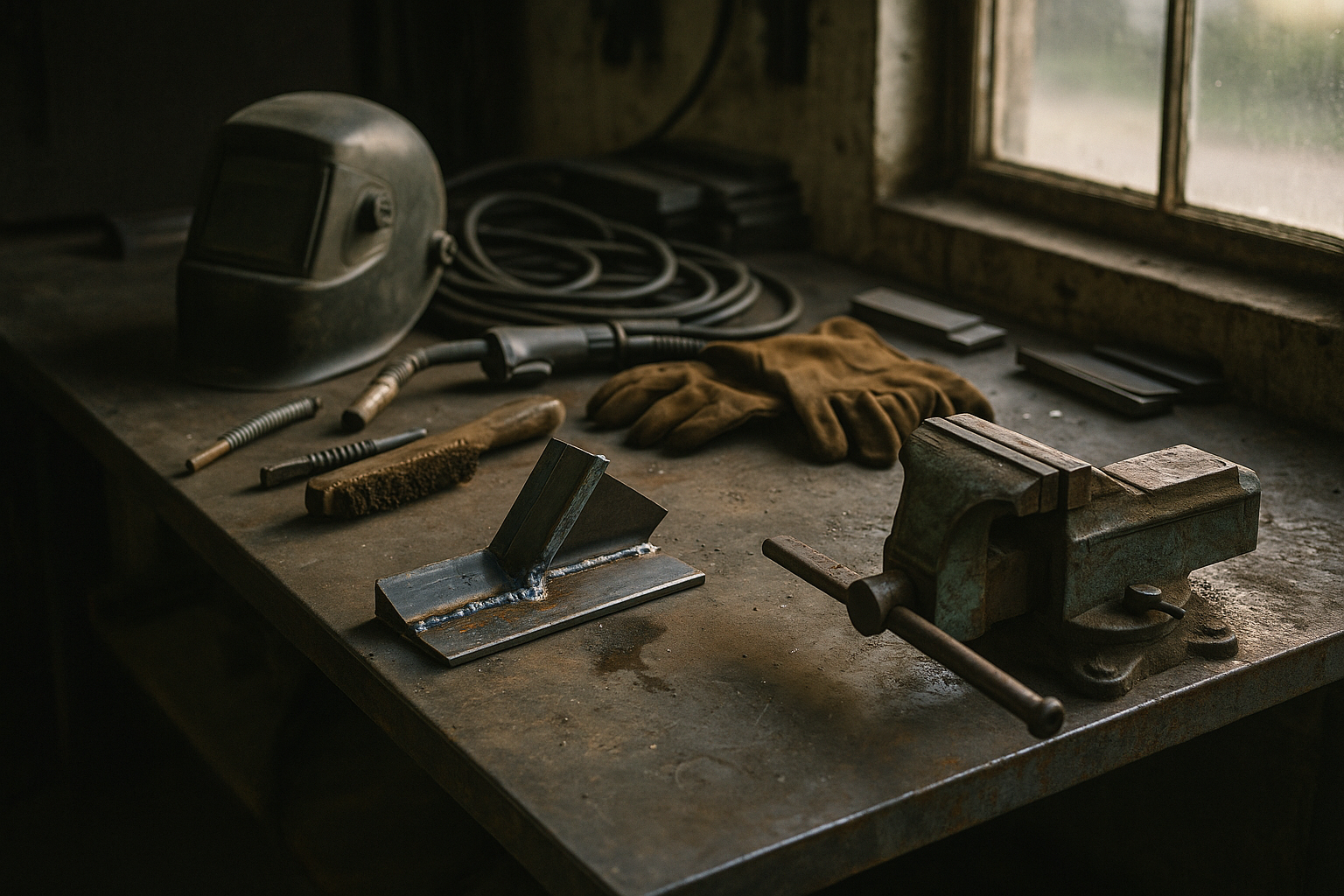
Welding turns raw metal into practical, long-lived projects by fusing parts with heat and filler. Before sparks fly, the right toolkit shapes outcomes more than any single skill. At the core sits your power source: compact machines for home garages now handle a wide range of steel thicknesses on 120 V outlets, and stepping to 240 V expands capability to thicker materials. Duty cycle matters—look for a rating that aligns with how long you’ll weld continuously; a 30–40% duty cycle at mid-range amperage suits most home builds. Equally important are safety layers—auto-darkening helmets, leather gloves, flame-resistant jackets, and hearing and respiratory protection—to keep you comfortable and focused while you work. Welding tools for beginners and professionals available at local hardware retailers and reputable online marketplaces make it straightforward to assemble a capable setup without chasing obscure parts.
Round out your kit with measuring and holding tools. Magnetic squares, locking pliers, and C-clamps keep joints aligned; a sturdy ground clamp ensures a stable arc; and a chipping hammer, wire brush, and angle grinder let you clean mill scale, prep bevels, and finish beads. Keep consumables ready: contact tips, nozzles, wire spools, electrodes, filler rods, anti-spatter spray, and spare lenses for your helmet. For typical home projects, a 120 V machine in the 90–140 A range handles thin sheet and up to roughly 1/8 inch steel with good joint prep; moving to 180–210 A on 240 V reaches into 1/4 inch territory. That range covers shelves, brackets, frames, yard fixtures, and small trailers, provided joints are well designed and tested.
To simplify purchasing and setup, think in modules:
– Power and machine: choose amperage for the thickest metal you’ll weld this season, not just today
– Safety: helmet with shade 10–13 for arc processes, high-heat gloves, and eye/ear protection
– Prep and fit-up: grinder with flap discs, cutting wheels, squares, and clamps
– Finishing: files, brushes, primer, paint, and rust inhibitors
– Storage: a dry bin for electrodes and sealed bags for wire to prevent moisture pickup
This layered approach helps you start small, add only what you need, and keep each piece earning its spot on the bench.
Matching Welding Processes to Materials and Goals
Choosing how you weld is as influential as what you weld. Four processes dominate home shops: MIG (solid wire with shielding gas), flux-cored (tubular wire with flux), TIG (tungsten inert gas with filler rods), and Stick (shielded metal arc). MIG excels at speed and ease—great for clean, mild steel on indoor projects. Flux-cored shines outdoors where wind can disrupt shielding gas and on slightly dirty steel. TIG offers unmatched control for thin materials and nonferrous metals, though it’s slower and demands careful technique. Stick is rugged, forgiving on rusty or painted surfaces, and thrives in windy or remote settings where simplicity matters. For Furniture creation that moves from sketch to sturdy reality, you can mix methods: MIG for efficient frames, TIG for visible joints, and Stick for field fixes.
Think of the trade-offs this way:
– MIG: fast learning curve; clean welds on mild steel; 120 V units handle thin stock; ideal for frames and brackets
– Flux-cored: resists wind; deeper penetration; more spatter to clean; useful for farm and outdoor tasks
– TIG: precise, quiet arc; thin-gauge control; AC for aluminum, DC for steel; slower but elegant results
– Stick: simple setup; electrodes tailored to the job; great for structural tacks and less-than-pristine metal
Match each process to thickness and environment. Thin sheet (around 18–20 gauge) benefits from low-amp MIG or TIG with tight heat control and stitch techniques to avoid warping. Common structural angles and tubes at 1/8–3/16 inch respond well to 140–180 A MIG or the right flux-cored wire. If you plan to weld in a breezy driveway, flux-cored or Stick will save you frustration. Save TIG for decorative corners, stainless accents, or aluminum edges where bead appearance matters. Whatever you choose, reinforce joints with proper fit-up—tight gaps, beveled edges on thicker stock, and sound tacking at 2–3 inch intervals to lock alignment before final passes.
Safety, Power, and Workspace Setup Without Headaches
Reliable results start with safety and power fundamentals. The welding arc emits intense light, UV radiation, and hot spatter; protect eyes with an auto-darkening helmet rated shade 10–13 for arc welding, gloves with heat-resistant stitching, and a flame-resistant jacket that covers cuffs and collar. Good footwear and cotton or FR pants prevent ember burns at the ankles. Ventilation matters: even short sessions can produce fumes, so use crossflow air with open doors and a fan pulling air away from your breathing zone, or a purpose-built fume extractor if you weld frequently. Keep a class ABC fire extinguisher within reach, and clear a 35-foot radius of sawdust, solvents, and rags. A 30-minute fire watch after finishing is a common hot-work practice—especially important when welding near walls or concealed spaces.
Power planning prevents nuisance trips and keeps arcs stable. Many homeowner-friendly machines run on dedicated 20 A, 120 V circuits with short, heavy-gauge extension cords (10–12 AWG). Larger units may need 30–50 A at 240 V; consult the nameplate and follow local electrical codes when adding circuits. Keep leads as short as practical, ensure a solid, bare-metal ground, and route cables to avoid tripping hazards. Layout your bench for efficient movement: clamps and squares on the left if you’re right-handed, grinder and wire brush within reach, and a steel or cast-iron surface to dissipate heat. Simple upgrades—like a folding welding table with slots for clamps—improve ergonomics and repeatability.
Finally, think realistically about time and scope. Break work into sequences—measure, cut, fit, tack, verify, weld, clean, prime—so your mind stays clear and your hands stay safe. For quick repair jobs, a small 120 V MIG or a compact Stick welder can save a weekend and a budget. Test critical joints with a hammer tap or a simple bend on a sacrificial piece to confirm penetration before you commit to the final assembly. This approach replaces guesswork with habits that make every project calmer and more predictable.
Project Roadmap: From First Beads to Polished Builds
Practice moves fastest when it is attached to a real goal. Start with low-stakes fixtures—tool hooks, firewood racks, and garden trellises—then step into furniture-scale frames once your fit-up is consistent. Use coupons (small scrap pieces) to tune settings at the start of each session; keep a small notebook with wire speed, amperage, and material notes so you can return to winning setups. As your confidence grows, stitch together flat bar and tube into clean rectangles, check diagonals for square, and weld opposite sides in sequence to balance heat and minimize distortion. These repeatable routines build a foundation for larger assemblies and decorative touches.
When it’s time to elevate, plan projects that marry function and aesthetics:
– A slim entry bench with a sealed wood top and powder-ready steel base
– A rolling shop cart with lockable casters, expanded-metal shelves, and corner gussets
– A café-height side table that shows off clean outside corners and smooth fillets
– Weather-tolerant planters sealed with primer and enamel, with drain holes and rubber feet
From layout to final coat, document steps with quick phone photos so future builds start where the last one ended.
Finishing techniques sharpen your eye and your outcomes. An angle grinder with flap discs can blend welds; a cup brush reveals imperfections; primer locks down bare steel; and enamel or oil finish protects against rust. The real unlock is creativity: sketch several variations before you cut, mock up with painter’s tape on the floor to check proportions, and test materials together—steel with reclaimed wood, stainless accents, or a brushed finish on visible edges. As you refine designs, watch for efficient repetition: cut identical legs together, drill holes in batches, and assemble subframes before the final merge. Small discipline at each step translates into straighter lines, quieter grinding, and projects you’ll be proud to use every day.
Maintenance, Upgrades, and a Practical Path Forward
Well-cared-for tools weld straighter lines and save money over time. After each session, clip and discard wire ends, clear the nozzle, and brush the work clamp’s contact points. Replace contact tips when wire feed feels inconsistent; keep spare diffusers and nozzles on hand; and use anti-spatter to protect your torch and fixtures. Store wire and electrodes in dry containers; for humid shops, add desiccant packs to prevent moisture that leads to porosity or erratic arcs. Clean grinders and swap worn flap discs before they glaze over. A monthly check of cables, liners, and drive rolls prevents small annoyances from derailing a weekend build.
Upgrades should follow your projects, not the other way around. If you’re tackling thicker joints, a 240 V machine may be worth the circuit; if you’re polishing visible beads, a foot pedal and TIG torch might earn their keep. Clamping capacity is a quiet amplifier of quality—add deep-throat clamps, a corner square, and simple DIY jigs for repeat parts. Consumables are part of the budget: wire spools, rods, discs, and gas refills cost less when planned ahead and tracked in a simple spreadsheet. Keep receipts with notes about settings and results; that logbook becomes a shortcut to dialed-in welds the next time.
As a final thought, treat each project as a teacher. Start with a practical scope, test your joints, and keep safety gear within arm’s reach. Over a season of steady work, you’ll notice fewer surprises in puddle control, tighter miters, and a smoother workflow from cut to coat. Whether you’re building storage for a busy garage or shaping a long-planned patio upgrade, the knowledge you’ve banked will turn raw stock into useful, durable pieces with a calm, repeatable rhythm. That is how skill becomes habit—and how a small home setup grows into a capable metal shop on your terms.


